In July 2011, Hugh Howey was working in a university bookstore. He had already self-published eight books. Together they had sold about 5,000 copies.
Then he put a short story called Wool on Amazon for 99 cents. He didn't promote it. He didn't even link to it on his own website.
But he did two small things that changed everything.
First, he made it easy to say yes. Ninety-nine cents and twenty minutes of reading. Nobody had to think twice about trying an author they'd never heard of.
Second, he talked to his readers inside the book. At the end of the story, he added a short Q&A in his own voice. It was the first time readers heard from him directly, and he used that moment to ask them to leave a review and tell a friend. Then he answered every email that came in.
The emails all said the same thing. We want more. So he stopped what he was working on and wrote it. Four more parts came out in quick succession. Then he bundled all five into one book for $4.99, and that bundle climbed into the top 50 on all of Amazon. The cheap first part was the front door. The bundle was where the real sales happened.
He went one step further. He let fans write their own stories set in his world and sell them without paying him a cent. Every fan story became another way for new readers to find Wool. Today you know it as Silo on Apple TV+.
Howey has said the best promotion was always the next thing he wrote. Readers found him, and when they did, he was there and he answered.
You don't need a 99-cent price to borrow from Howey. You need three things.
A small first yes. Howey's was a 99-cent short story. Yours can be a free chapter, a short guide or a five-minute talk clip. Make it easy for someone who has never heard of you to try you out.
A personal note at the back of your book. Most authors end with acknowledgments and leave it there. Add a short note in your own voice. Thank the reader, ask for an honest review and tell them where to find you next. That page is read by the people who just finished your book, and they're the most likely to talk about it.
Being findable when they come looking. In 2011, readers who wanted more from Howey went to his inbox. In 2026, they ask ChatGPT.
That last one matters more this week than it did last week. On Tuesday, OpenAI launched Businesses in ChatGPT. It lets businesses claim a profile, correct their details and see how often ChatGPT mentions them. That tells you where this is headed. People now ask AI who you are before they ever visit your website.
So here's your 10-minute test.
Open ChatGPT and ask: "Who is [your name], and what is their book about?"
Then ask: "Who should read [your book title]?"
Write down what it gets wrong, what's out of date and what's missing.
If the answer is thin or wrong, ChatGPT is usually repeating what it found about you online, or what it couldn't find. The fix is not a trick. It's your website. Your About page and book page should say in plain sentences who you are, who the book is for and what changes for the reader. Then make sure your Amazon author page and LinkedIn headline say the same thing.
If you run a business around your book, like coaching, speaking or consulting, you can claim it in Business Hub now. It's free during the beta. OpenAI is clear that claiming doesn't guarantee better placement, so treat it as keeping your details correct, not as a shortcut.
Meet the Guests
Emily Gindlesparger: Why Writing Might Be the Healing You Need
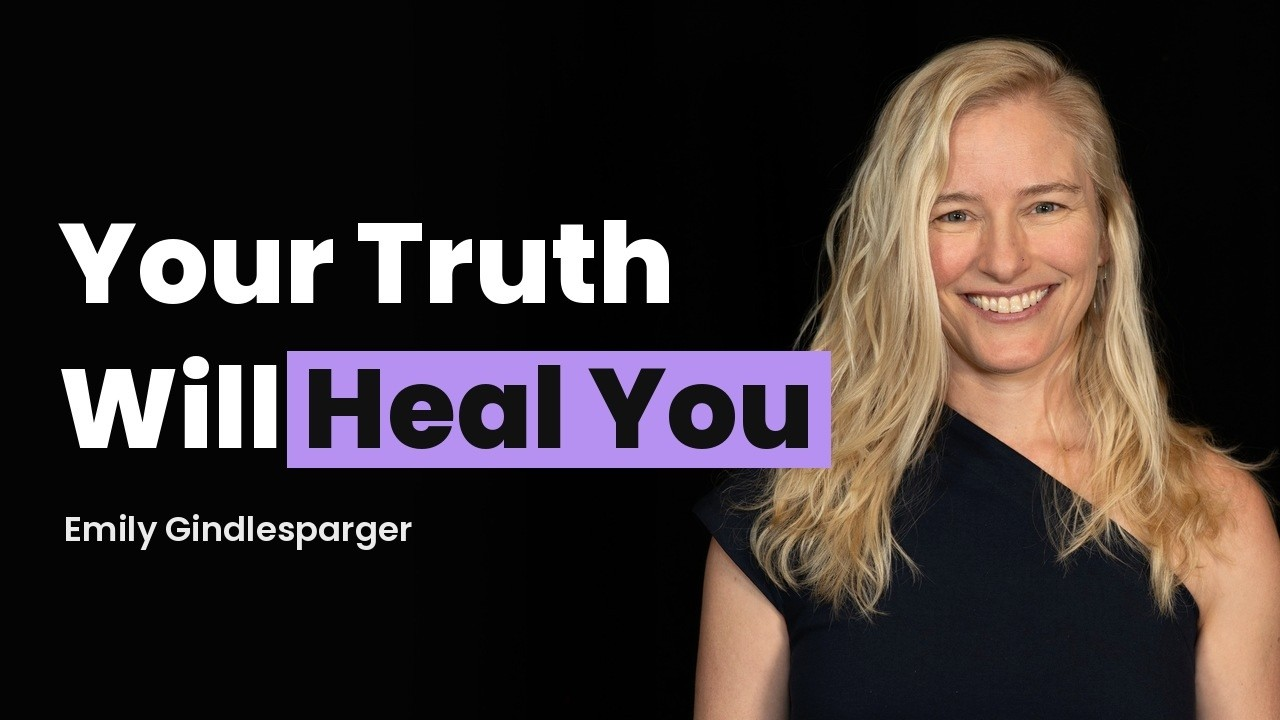
Emily is the author of Please Make Me Love Me: A Memoir. She's also the person who believed in my story early and brought me in to work alongside her at Scribe. In the van, she shared how writing her memoir changed the voice inside her head, why healing isn't a finish line, and the one question that helps her untangle shame: Who taught me to believe that about myself?
Professor Giuseppe Conti: How to Make the Other Side Feel Heard (Without Being Fake)
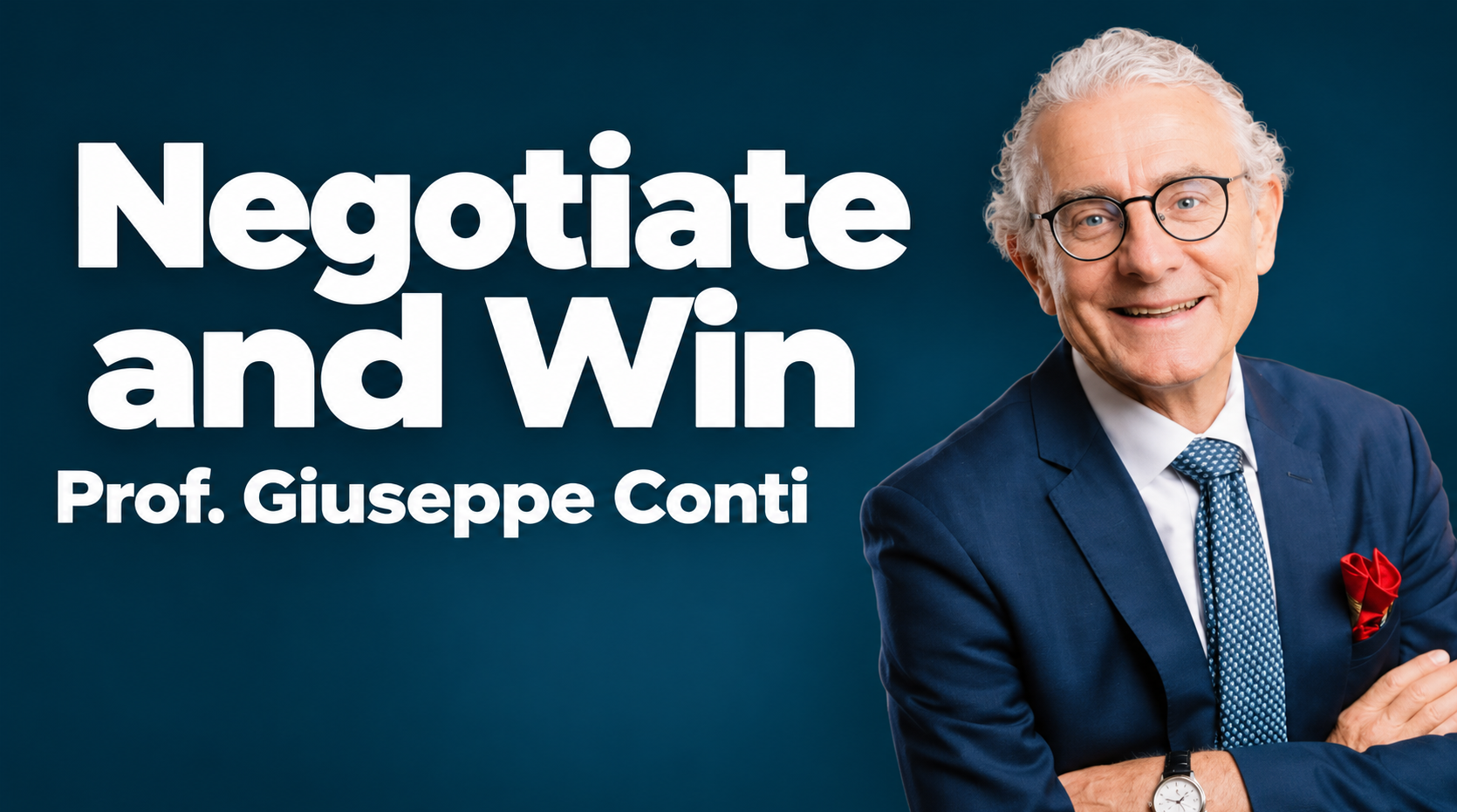
Giuseppe spent more than 25 years negotiating from the buying side of the table at companies like Procter & Gamble, then went on to teach negotiation at top business schools. His big idea is dual vision. Know what the other person wants so well you could argue their side for them. If you ever negotiate a speaking fee, a client contract or a book deal, this one is for you.
From Author X
6 Months of Content in One Day
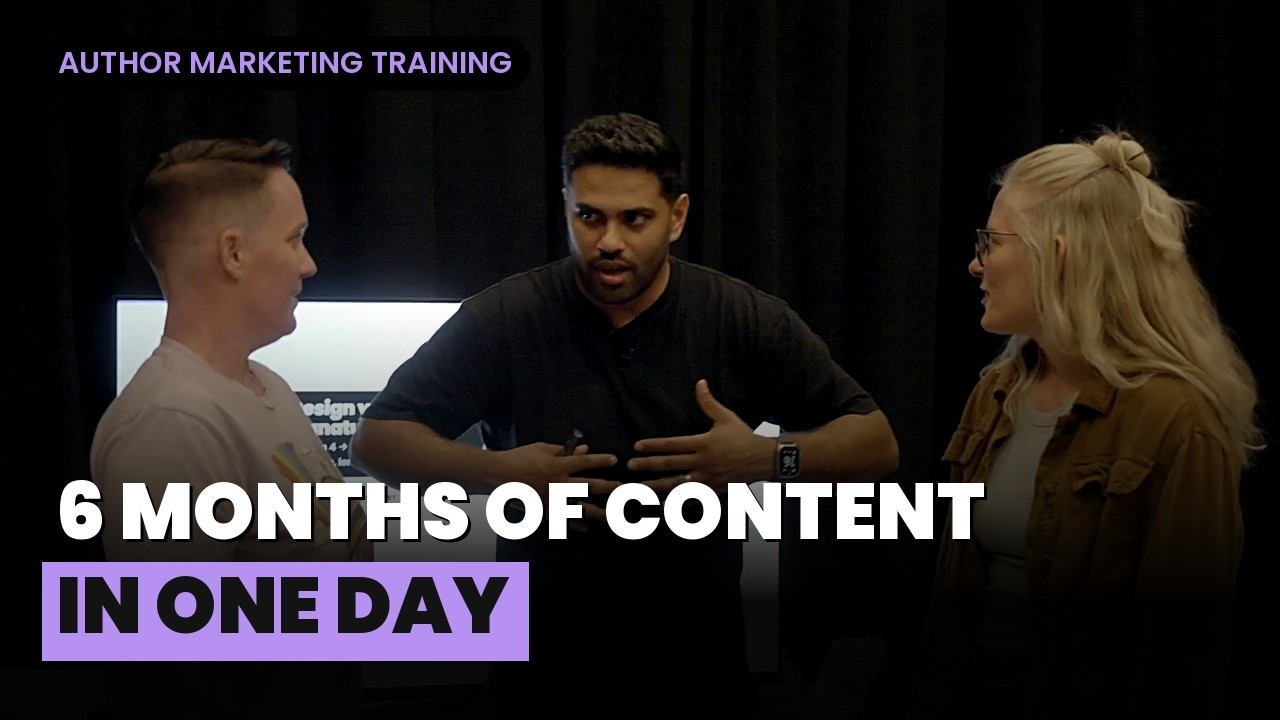
At the Author X workshop, I asked one of our attendees, a trainer with 15 years of clients, what her video format would be. The room landed on a simple test. Would someone send this video to their mom? Then we filmed one live, right there in the room. The takeaway: find one format you enjoy, hire a client for a day, shoot 40 short videos on your phone and schedule them. That's six months of content.
What I'm working on
Author X Brand Camp sign-ups open this Friday. Over three days in Tucson, we work on exactly what this issue is about: what people find when they look you up, and making sure it sounds like you. Announcing details on Friday's post! You don't want to miss that!
Hussein