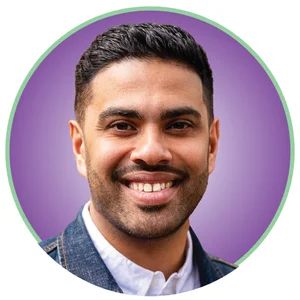
An author photoshoot is a planned session that gives you a small library of professional photos (a classic headshot, a few environmental portraits and some candid "working" shots) that you'll use on your book jacket, website, media kit, podcast pitches and LinkedIn for the next two to three years. The best author photos don't just look polished. They look like the person a reader expects to meet after reading your book. Plan the shot list around where the photos will be used, own the rights, and dress for your message, not for a wedding.
I came at this from an odd angle. Before I founded Rising Authors, I ran a print shop for years. I saw a lot of photos go to print that never should have: blurry headshots stretched to poster size, crops that cut off foreheads, images pulled off a website at a resolution meant for a phone screen. Later, when my own book, The Art of Resilience, came out, I was on the other side of the camera, and I learned how much a few good photos carry when you're trying to get booked, cited and trusted. This guide is everything I wish I'd known going in.
Why do nonfiction authors need professional photos?
Because for a nonfiction author, coach, consultant or speaker, your face is part of the product. Readers buy your book because they trust you to teach them something. Event planners book you because they can picture you on their stage. Podcast hosts say yes because you look like someone their audience will listen to.
People form those impressions fast. In a well-known Princeton study, psychologists Janine Willis and Alexander Todorov found that judgments of traits like trustworthiness and competence made after seeing a face for just 100 milliseconds closely matched judgments made with no time limit (Princeton University, 2006). More time made people more confident, but it didn't really change their minds.
Platforms see the same thing. LinkedIn has said that simply having a profile photo leads to up to 21 times more profile views and 9 times more connection requests (LinkedIn, 2017). That's LinkedIn's own figure, not an independent study, but the direction is hard to argue with: no photo, or a weak one, costs you attention before anyone reads a word you wrote.
Where will you use your author photos?
Start here, before you book a photographer. Your shot list should come from your actual uses. Most nonfiction authors need photos for:
Book jacket or back cover: usually a tight, high-resolution headshot. Your publisher or designer will tell you the specs.
Author website: a wide hero image with room for text beside you, an About page portrait, and a few supporting images. (See our author website checklist for every page that needs one.)
Media kit and one-sheet: a downloadable headshot in both color and black and white, plus a horizontal option. Our author media kit checklist covers the rest.
Speaking: event organizers need a headshot for programs and a shot of you presenting or in motion for promo.
Podcast guesting: hosts use your photo for episode art, often in a square crop.
LinkedIn and social: a clear, close-cropped profile photo and a wide banner image.
Notice the shapes: tall, wide, square, tight, loose. If every photo from your shoot is the same vertical headshot, you'll be stuck cropping it awkwardly for half of these places.
What shots should be on your author photoshoot shot list?
Bring a written shot list to your shoot. Here's a starting point we use with clients:
The classic headshot. Shoulders up, looking at the camera, simple background. This is your workhorse for the jacket, bylines and bios.
The approachable headshot. Same framing, warmer expression. Many authors end up using this one more.
The horizontal hero shot. You placed off to one side with open space, for your website header and LinkedIn banner.
Environmental portraits. You in a place that connects to your message: your office, a workshop, a classroom, a trail. For a Tucson author, that might be desert light and saguaros. For a leadership consultant, a boardroom or studio.
Working shots. Writing, speaking, gesturing mid-thought, leading a workshop. These sell you as a speaker and teacher.
Book-in-hand shots. Holding or reading your book (or a printed mockup of the cover if it isn't out yet). Great for launch posts and preorder pages.
Detail shots. Hands on a notebook, your desk, your book on a shelf. Useful as backgrounds and social graphics without your face front and center.
Color and black-and-white versions of your top picks. Many publications still ask for both.
How do you choose a photographer for author headshots?
Look for someone who shoots portraits and personal brands regularly, not only weddings or products. Then ask a few direct questions before you book:
Can I see full galleries, not just highlights? Anyone can post their ten best frames. You want to see consistency.
What's included? Number of edited images, number of outfit changes, locations, time on site, retouching.
What rights do I get? More on this below. It matters more than most authors realize.
Will you direct me? Most of us are not models. A good photographer coaches posture, chin, hands and expression the whole time.
Can we talk first? Jericho Writers recommends meeting or getting on a video call before you commit, and walking away if you don't feel comfortable (Jericho Writers). If you're tense with them on Zoom, you'll be tense in front of their lens.
Who owns your author photo? (Read this before you sign)
In most cases, the photographer owns the copyright to the photos they take, even though you paid for the session. What you get is a license to use them. That's normal, but the details of the license decide whether you can use your headshot freely or have to go back and ask (and sometimes pay) every time.
Before you sign, make sure your agreement covers:
Use on book covers and jackets, including future editions, audiobooks and translations
Use on your website, social media, newsletters and ads
Permission for third parties (your publisher, event organizers, podcast hosts, journalists) to use the photo when promoting you
How the photographer wants to be credited, if at all
Whether you receive all the high-resolution digital files, or pay per image
Jericho Writers puts it simply: ideally you want to own the images you choose rather than pay a license fee every time you use one, and you should check whether you're paying per photo or getting all the files (Jericho Writers). Penguin Random House's author team also reminds authors to sort out copyright and photo credit before sending a photo to their publisher (Penguin Random House). We're not lawyers, so if anything in a contract is unclear, ask the photographer to explain it in writing.
What should you wear to an author photoshoot?
Dress like the version of you that shows up to deliver on your book's promise. A former CFO writing about money habits and a breathwork coach writing about stress should not look the same, and that's the point.
Some practical guardrails:
Solid colors over busy patterns. Small stripes and tight checks can flicker on screens. Jericho Writers suggests one or two layers of plain clothing, an open collar, and not too much jewelry.
Bring two or three outfits. One more formal, one more relaxed, one that ties to your brand colors. This gives you range for stages, podcasts and social.
Think about your brand palette. If your website and book cover lean warm, a cool gray outfit can feel off. If you're working with us on a brand and website package, we'll plan wardrobe around your colors so everything feels like one system.
Fit and comfort win. Press everything. Avoid anything you'll fidget with.
Keep your look recognizable. A dramatic new haircut the day before means your photos won't look like you in six weeks. Glasses wearers: shoot with and without.
How do you prepare for an author photoshoot?
Penguin Random House's author team recommends studying the photos of authors in your category, practicing expressions in a mirror, trying on outfits ahead of time, and giving yourself plenty of options during the session (Penguin Random House). Here's how we break it down.
Two to four weeks before
Collect 10 to 15 author or speaker photos you like and note what you like about each one.
Write your shot list based on where the photos will be used.
Confirm the location, time of day and the license terms in writing.
Take a few selfies at home in your outfit options. It's a cheap way to spot what doesn't work.
The day before
Pack outfits, a lint roller, a steamer if you have one, water, and props (your book, a mockup cover, a notebook).
Sleep. Seriously. It shows.
During the shoot
Think about a specific reader you're helping. Your expression changes when you're thinking about someone real.
Ask to see a few frames on the back of the camera early, then adjust.
Let the photographer direct you. Fight the urge to "fix" every pose yourself.
How much does an author photoshoot cost?
It varies a lot by market, photographer experience, time and what's included. Jericho Writers quotes an average of about £100 to £150 (roughly US$100 to $250) for a basic headshot session in the UK, with retouching sometimes extra. A personal brand shoot with multiple locations, outfit changes and a larger set of edited images will usually cost more than a simple headshot session. Instead of chasing the lowest price, compare what you actually get: number of edited images, usage rights and how much direction the photographer gives.
From my print-shop days, one more cost to plan for: making sure you have true high-resolution files. A photo that looks fine on Instagram can fall apart on a book jacket or a banner. Always ask for the full-resolution originals, and send those (never a copy saved off a website) to your publisher or designer.
How often should authors update their photos?
A common rule of thumb is every two to three years, or sooner when you change your look, launch a new book, or shift your positioning (say, from coach to keynote speaker). The test is simple: if someone meets you at an event and has to look twice to match you to your photo, it's time.
And once you have a strong photo, use it consistently. The same primary headshot on your website, LinkedIn, podcast pitches and speaker page makes you easier to recognize, and it helps search engines and AI tools connect all of those profiles back to one person.
Common author photo mistakes to avoid
Using a cropped photo from a wedding or family event
Only shooting vertical headshots, then struggling to fill a wide website header
Over-retouching until you don't look like yourself
Busy backgrounds that pull attention from your face
Not securing the rights your publisher and event partners will need
Saving the shoot for "after the book is done," then scrambling during launch
Frequently asked questions
What is the difference between a headshot and a personal brand photoshoot?
A headshot session focuses on a few close-up portraits, usually against a simple background. A personal brand photoshoot builds a wider library: headshots plus environmental, working and detail shots you can use across your website, social media, speaking and launch materials.
When should I schedule my author photoshoot?
Ideally a few months before your launch, so the photos are ready for your website, preorder page, media kit and podcast pitches. If you're following a six-month launch timeline, put the shoot in the first month or two.
Can I use an AI-generated headshot as my author photo?
You can, but we don't recommend it for your main author photo. Readers, hosts and event planners expect to meet the real you, and AI headshots often drift from how you actually look. A real photo also gives you working and environmental shots that AI can't honestly create.
Should my author photo be in color or black and white?
Get both. Color works best on websites and social media, and many publications want color, but black and white can look timeless on a book jacket or in print programs.
Do I need to smile in my author photo?
Not necessarily, but your expression should match your book's tone. A warm, approachable expression works for most nonfiction authors, coaches and consultants. Shoot a range, from serious to smiling, and choose later.
What file sizes should I ask for?
Ask for full-resolution originals for print (book jackets, posters, programs) and web-optimized versions for your website and social profiles. Keep the originals backed up somewhere safe.
Ready to look like the author you already are?
Your photos are part of your brand, not an afterthought. They work hardest when they're planned alongside your website, your message and your launch. At Rising Authors, we build brands, websites and platforms for nonfiction authors, coaches, consultants and speakers, and photography planning is part of that work.
If you want to work on your brand in person, join us at Author X Brand Camp in Tucson, February 5–7, 2027. Or, if you'd rather talk through your own situation, book a call with us. We'll help you figure out what your author brand needs next.